In today’s volatile operating environment, speed of insight often determines the speed of performance. While most organizations collect vast amounts of data, few can translate it into real-time decisions that directly improve financial outcomes.
The difference between static reporting and real-time analytics is not just technological, it’s strategic. Real-time analytics don’t simply describe performance; they shape it. When implemented effectively, they can unlock significant EBITDA growth while reducing operational and compliance risk across the enterprise.
Most enterprises still operate with delayed or siloed reporting. Finance closes books weeks after events occur. Maintenance teams respond to equipment issues only after production loss. Operations teams track KPIs that lag behind reality.
This latency leads to:
The outcome: by the time problems are visible, they’ve already become expensive.
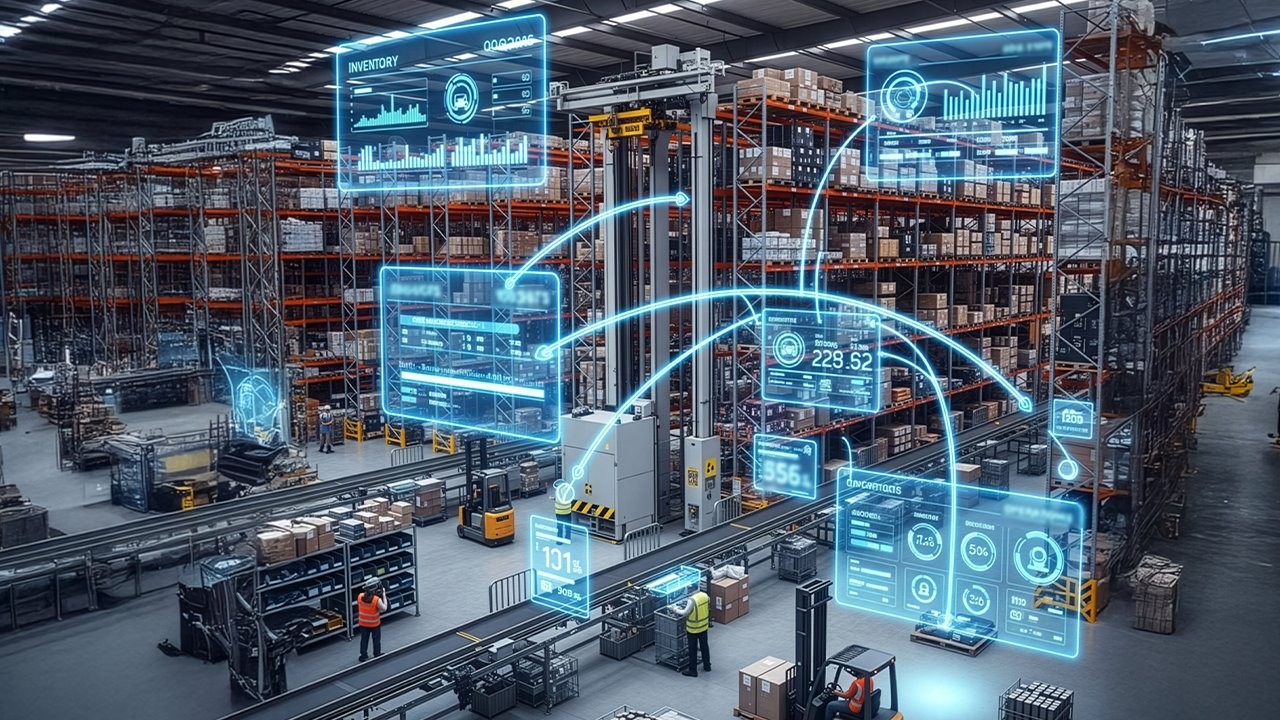
Real-time analytics integrate live data from ERP, MES, WMS, IoT devices, and even external systems into a unified decision layer. Instead of periodic reports, leaders see operational and financial metrics as they happen, and can act before losses occur.
This transformation drives EBITDA growth in three ways:
Margin Protection Through Early Intervention
When production deviations, material variances, or labor inefficiencies are visible instantly, managers can correct course within hours, not weeks. The result is higher yield and reduced waste across manufacturing and logistics processes.
Predictive analytics detect anomalies before failures occur. Maintenance becomes proactive rather than reactive, reducing downtime and extending equipment life. Each avoided outage directly improves EBITDA by protecting throughput.
Real-time visibility into inventory, receivables, and order flow allows finance and operations teams to release trapped capital. Organizations can reduce excess stock and improve cash conversion cycles without sacrificing service levels.
Reducing Operational and Compliance Risk
Beyond the financial gains, real-time analytics provide a single source of truth that strengthens governance and control.
When risk signals are visible instantly, across production, supply chain, and finance, organizations can prevent incidents rather than explain them.
Organizations that extract true value from real-time analytics follow three core principles:
Integrate First, Visualize Later
Instead of adding dashboards to fragmented systems, they begin by integrating data pipelines from ERP, MES, and plant systems into a unified, governed layer.
Measure What Moves EBITDA
They focus on leading indicators: yield, uptime, cycle time, energy use, that directly influence margin and cash flow.
Build Continuous Decision Loops
Data flows automatically to operators and managers, not just analysts. Every deviation triggers a response, embedding analytics into daily routines.
When real-time analytics are fully embedded, decision latency drops from days to minutes. Operational risk declines because issues are caught at the source. EBITDA improves because every decision, from maintenance to procurement, is grounded in live data.
The organizations that win aren’t those with the most data, they’re the ones that can act on it first.